
Top Decorative Painting Trends to Transform Your Space


Introduction to Decorative Painting
Decorative painting is a transformative art that can breathe new life into any space. By using color, texture, and creativity, you can turn ordinary walls into extraordinary focal points. Whether you're looking to make a subtle change or create a bold statement, decorative painting offers endless possibilities.

Color Washing Techniques
Color washing is a popular technique that adds depth and dimension to walls. This method involves applying a glaze over a base coat, creating a soft, textured look reminiscent of aged plaster. It's perfect for those who want a subtle, elegant effect.
To achieve the best results, choose colors that complement each other. Soft blues, greens, and earth tones are particularly effective. Experimenting with different brush strokes can result in unique and beautiful finishes.
Materials Needed
- Base paint color
- Glaze
- Brushes or sponges
- Painter's tape
Geometric Patterns
For a modern and sophisticated look, geometric patterns are the way to go. These designs can range from simple stripes to complex shapes, offering a sleek aesthetic that suits contemporary interiors. Geometric patterns can be tailored to fit any space, from a small accent wall to an expansive living room.
The key to success with geometric patterns is precision. Using painter's tape and a level will ensure sharp, clean lines. Bold colors can be used for a dramatic effect, while softer hues offer a more understated elegance.
Murals and Artistic Expressions
If you're looking to make a powerful statement, consider incorporating murals into your decorative painting plans. Murals can transform entire rooms into immersive experiences, reflecting personal style and creativity. From landscapes to abstract art, the possibilities are endless.
Creating a mural requires planning and skill, but the results can be breathtaking. Hiring a professional artist can ensure a high-quality finish, or you can try your hand at DIY with stencils and templates for a more personal touch.
Steps to Create a Mural
- Choose a theme or design.
- Sketch the outline on the wall.
- Select appropriate colors.
- Paint in layers, starting with the background.
Textured Finishes
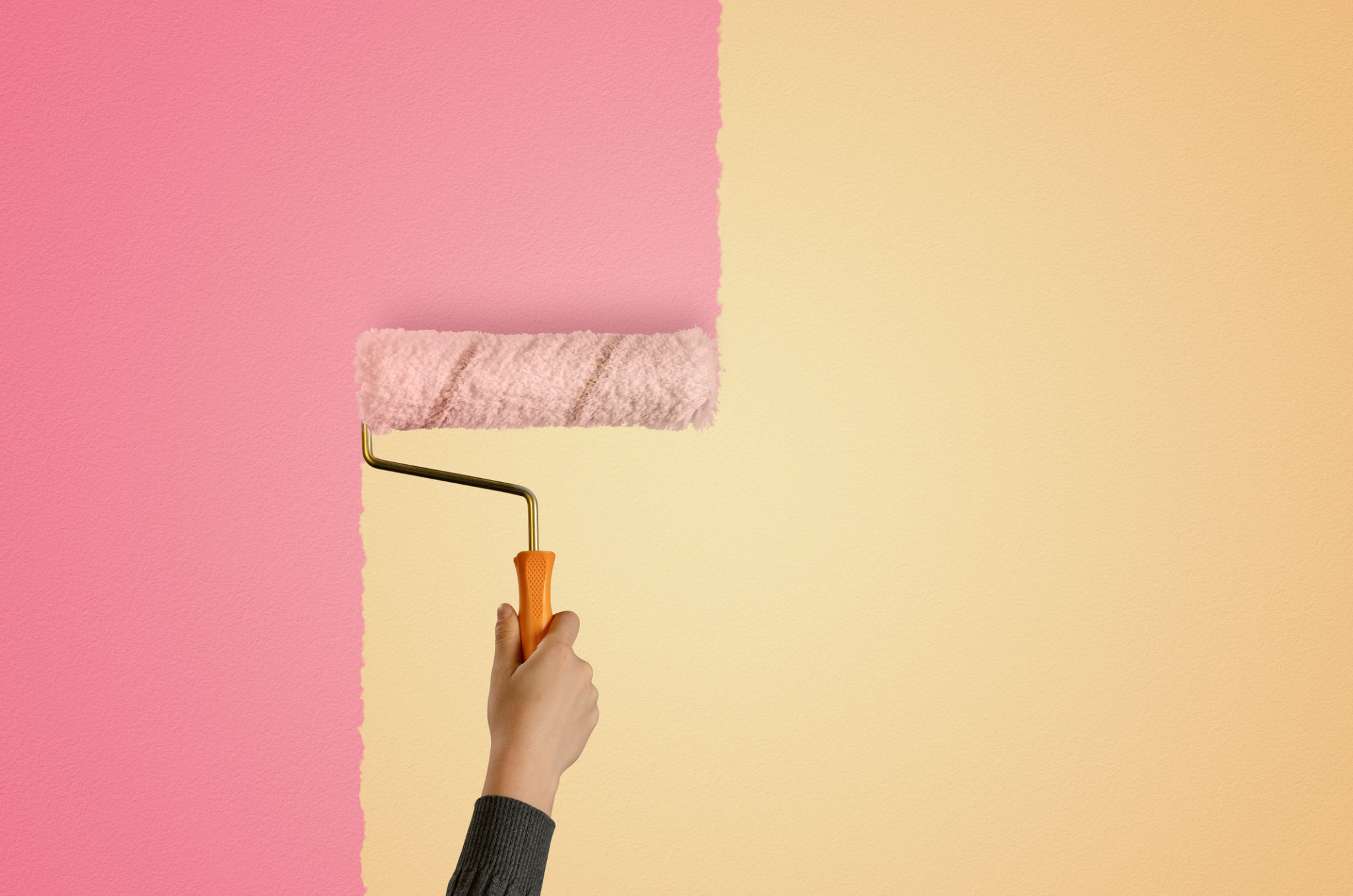
Textured finishes can add a unique and tactile element to your walls. Techniques such as sponging, rag rolling, and stippling create patterns that are both visually and physically appealing. These methods can be used to mimic the look of materials like stone or fabric.
Textured finishes are perfect for adding interest to a space without overwhelming the overall design. They're particularly effective in areas like dining rooms or entryways, where they can serve as conversation starters.
Common Texturing Techniques
- Sponging for a soft, cloudy effect
- Rag rolling for a more dynamic look
- Stippling for intricate patterns
Conclusion
The world of decorative painting is rich with opportunities to express creativity and transform your home. Whether you prefer the subtle elegance of color washing or the bold impact of a mural, there's a technique to suit every taste and style. Embrace these trends and let your walls tell a story that reflects your unique personality.