
How to Prepare Your Home for a Fresh Coat: Seasonal Painting Tips


Understanding the Importance of Seasonal Painting
Painting your home is not just about aesthetics; it's also about protecting your surfaces from the elements. Each season presents unique challenges, and understanding these can help you choose the right time and method for a fresh coat. Whether you’re tackling an interior or exterior project, timing can significantly impact the longevity and finish of your paint job.
Choosing the Right Season
The best season for painting largely depends on your local climate. Spring and summer are typically ideal due to warmer temperatures and lower humidity levels. However, in areas with mild winters, fall can also be suitable. Avoid painting in extreme temperatures, as this can cause the paint to dry too quickly or not adhere properly.
Preparing Your Home for Painting
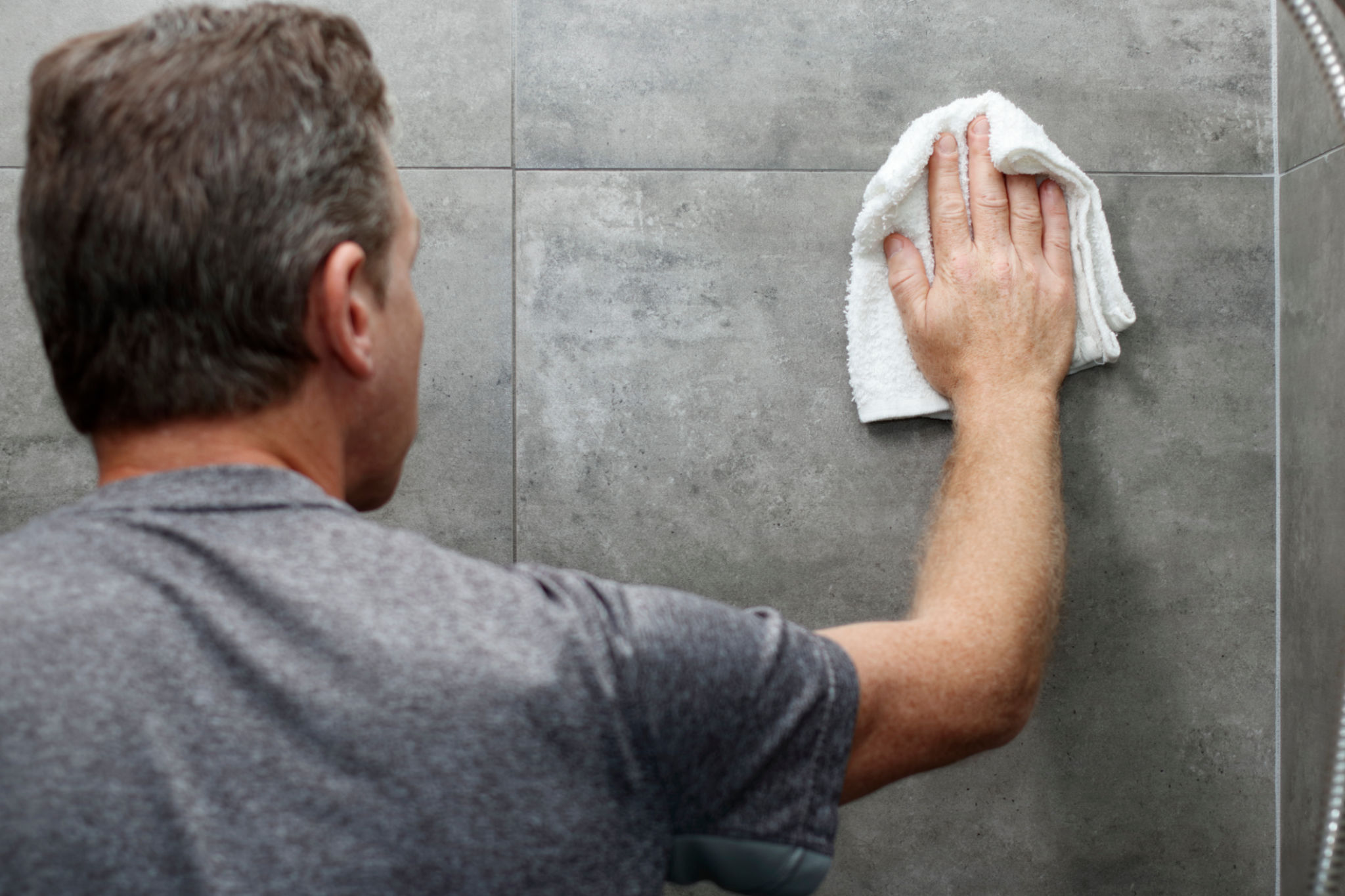
Preparation is key to a successful paint job. Start by cleaning the surfaces you plan to paint. Dust, dirt, and old paint can prevent new paint from sticking properly. For exterior surfaces, power washing can be very effective, while interior walls can simply be wiped down with a damp cloth.
Repair and Prime
Once your surfaces are clean, inspect them for any damage. Cracks, holes, or peeling paint should be repaired before you start painting. Apply a suitable primer to ensure the paint adheres well and lasts longer. Primers can also block stains and provide a uniform base for your topcoat.
Selecting the Right Paint and Tools
The type of paint you choose will depend on the surface and location. For exterior surfaces, opt for weather-resistant paints that can withstand the elements. Interior paints should be selected based on the room's usage and lighting. Don't forget to invest in quality brushes and rollers to achieve a smooth and even finish.

Consider Color and Finish
When selecting colors, consider how they will look in different lighting conditions throughout the day. The finish is also important; matte finishes can hide imperfections, while gloss finishes are easier to clean and more durable. Experiment with samples before making a final decision.
Ensuring a Smooth Painting Process
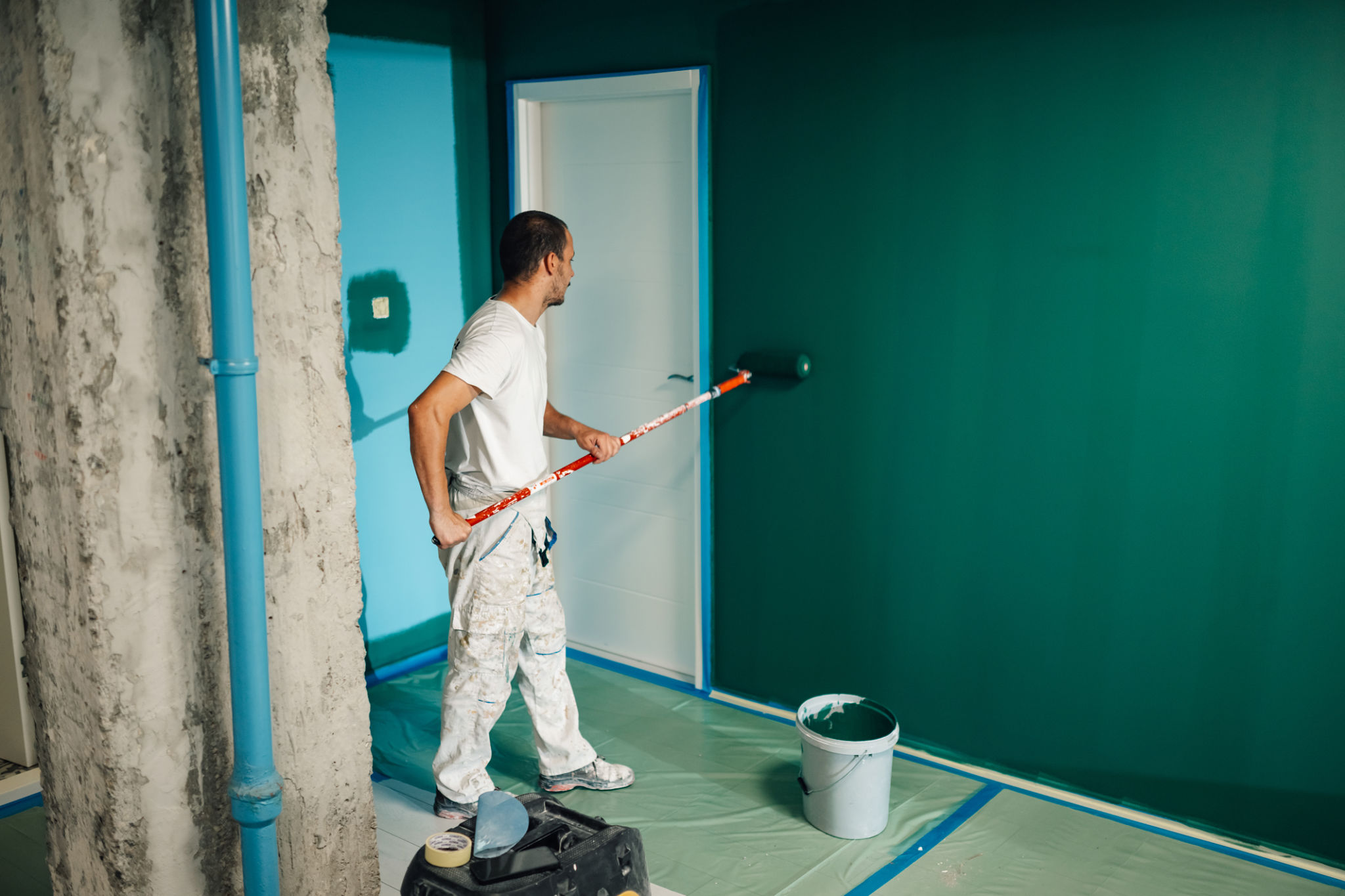
Before you start painting, ensure all your furniture and fixtures are adequately covered or moved out of the way. Use painter's tape to protect trim and edges. Work in small sections, and always start from the top and work your way down to catch any drips.
Final Touches and Clean-Up
After you've finished painting, remove any tape while the paint is still slightly wet to avoid peeling. Once everything is dry, move your furniture back and enjoy the fresh new look. Clean your brushes and rollers thoroughly, so they’re ready for your next project.
By following these seasonal painting tips, you can ensure a durable, high-quality finish that enhances your home's beauty and value.